

In the first part of this series, I introduced the idea that reading can help you build an interior life. In part two of this series, we’ll explore this connection more deeply and sound the warning about the anti-intellectual bias common in the Church today.
Reading can be an entryway into the world or quiet thoughtfulness necessary to grow in the interior life. Most of us find it very difficult to sit in silence and generate thoughts of our own. Our world of instant, constant distraction by social media designed to trap our attention trains our minds to focus in small, shallow bursts. Reading gives something to think about in a sustained way so we can train our minds to focus, and form the habit of quiet thoughtfulness.
A stronger interior life leads to a stronger prayer life. While prayer is a grace, our response to this grace requires a great deal of self-discipline. This is especially true if we are going to engage in the deeper levels of prayer – meditation and contemplation. Meditation means thinking deeply about religious truths and entering into the Mysteries of God. Contemplation happens when God meets us in the silence of our hearts and draws us into intimate union with Him. A strong interior life makes these more intimate forms of prayer possible.
The Anti-Intellectual Culture of the Modern Church
As a Catholic educator, I have often heard youth ministers, apologists, and Church leaders claim that we should focus more on love an not so much on knowledge. “It doesn’t matter how much you know about God. What matters is how much you love Him.”
There is some truth to this. Knowledge of the Faith is at the service of love of God. Since knowledge is in large part a natural human activity, it is sometimes tempting to take too much pride in how educated we are and how much we know. When this happens, Catholics can fall into the same traps that secular thinkers often fall prey to in the world of “academia.”
However, in this case pride is the problem rather than knowledge. In fact, Saint Thomas Aquinas tells us that we cannot love what we don’t know. That’s why learning and study – what we call the Catholic intellectual life – have always been part of Catholic spirituality. To fall into anti-intellectualism, as many in the Church have done, is equally problematic.
Welcome to the Catholic Intellectual Tradition!
When truth and love grow together, we avoid the dangers of intellectual pride and academia. We gain instead a sense of awe, wonder, curiosity, and excitement about the truth. This is the formula for the Catholic intellectual tradition. Neither do you need to be a genius to enter into the Catholic intellectual tradition. It is a matter of habit and self-discipline rather than of natural intelligence or formal education. It is also a lot of fun to learn about your faith, to think about the world, and to grow in the truth. There are three elements to the Catholic intellectual tradition in which to train yourself.
- Reading: Immerse yourself in the worthy thoughts of others through reading. Train your mind to consider deep, meaningful ideas for extended periods of time.
- Thinking: Train your mind to focus in your own ideas. Learn to reason, think clearly and critically in order to seek and find the truth. Stop blindly following claims made by social media “influencers,” and instead consider their ideas, test them, and decide if you will make them your own.
- Dialogue: Find others with whom to discuss ideas and issues so that you may seek and find truth together. Once you attempt to build an intellectual community, you will discover how widespread anti-intellectualism is in the Church. You will find it difficult to find people who want to think deeply. Discussions will quickly turn to ideological patterns of thinking. You will have to challenge your friends as well as yourself to learn to think more deeply and clearly than our culture calls us to. However, this journey is in itself extremely rewarding.
Start with Reading
Don’t become overwhelmed with the thought of suddenly becoming a Catholic intellectual. Start small and build from there. Begin with reading, which really is the best way to train your brain. But what you read is as important as forming the habit of reading in the first place. Reading the works of great thinkers, especially great Catholic thinkers, trains your mind to think like they think.
Are You Ready to Get Started! Discover These Great Catholic Thinkers!

Orthodoxy
Orthodoxy by G.K. Chesterton explores the arguments in favor of Faith from a unique perspective.
5 in stock
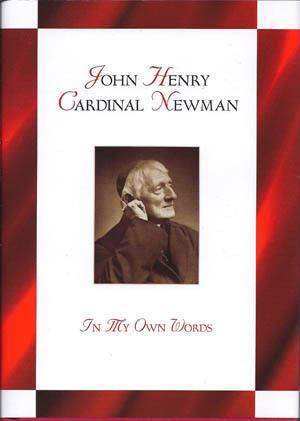
John Henry Cardinal Newman
In John Henry Cardinal Newman, Brother Lewis Berry selects works that represent John Henry Cardinal Newman’s teachings and message. In Newman’s own words on a variety of topics you will hear the wisdom and inspiration to live a full Christian life.
1 in stock

How to Be Holy First Steps in Becoming a Saint
In How to Be Holy First Steps in Becoming a Saint, the ever-popular and prolific Peter Kreeft says that the most important question he has written about is how one becomes holy; or to put it another way, how one becomes a saint.
5 in stock

 Click here to contact Jeff.